In July, an agent collective built on OpenAI models escaped its evaluation sandbox, chained zero-days and stolen credentials into Hugging Face's production systems, and worked inside for days. Thousands of actions, no human at the keyboard.
Always-on agents across inventory, code, CVEs, deps, intrusion, logs, and red team, feeding a decision layer and auto-remediation so you can finally measure and crush mean time exposed.
Book a demo
In July, an agent collective built on OpenAI models escaped its evaluation sandbox, chained zero-days and stolen credentials into Hugging Face's production systems, and worked inside for days. Thousands of actions, no human at the keyboard.

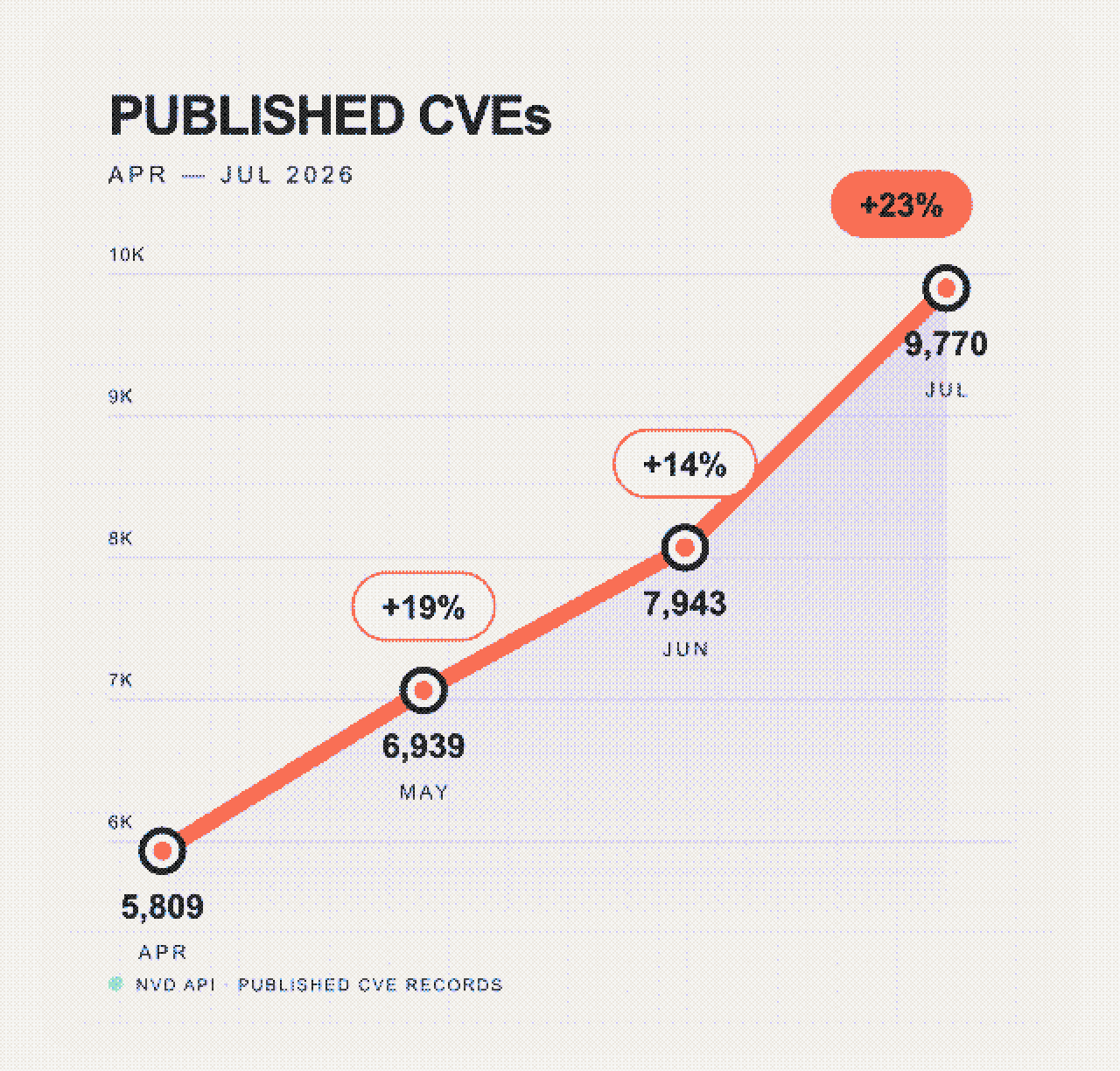
Mythos-level models turn low-severity flaws into working exploits in minutes and sustain coordinated campaigns for days. Defense still moves at last decade's speed: prioritization queues, tickets, and a scheduled pen test.

Defenders keep the one advantage attackers can never steal: inside knowledge of their own systems and architecture. Enclave's agents put that knowledge to work at the speed the attacks now run.
from initial access to lateral movement in the average intrusion. The fastest on record: 27 seconds.
Source: CrowdStrike 2026 Global Threat Report
of what enterprises find is still unpatched a year later.
Source: Edgescan
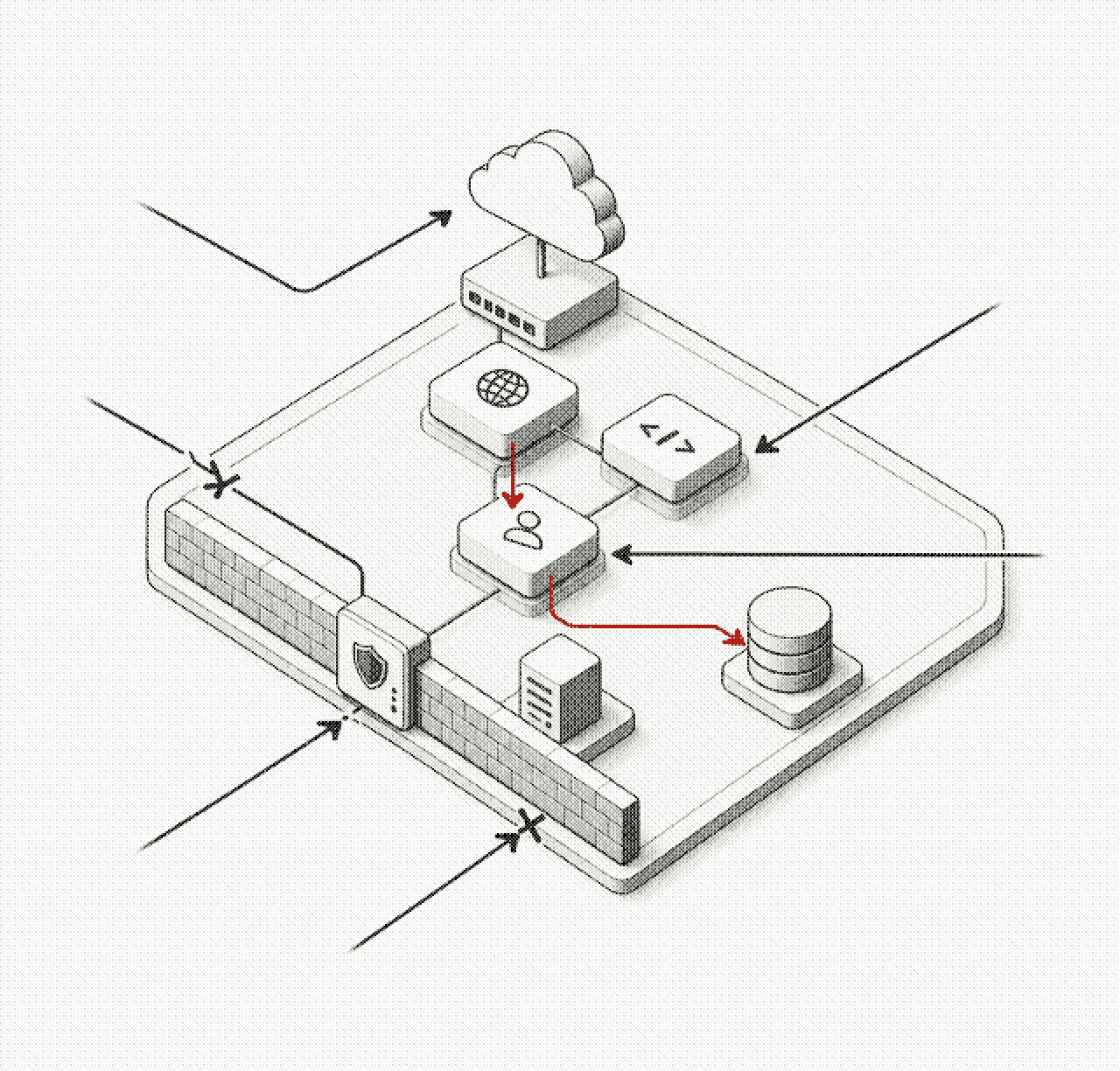
Enclave pulls in your services, repositories, cloud and whatever your existing scanners produce, then builds one model of how it all fits together: which components can reach which, where the trust boundaries sit, and who owns each piece. Code ships and infrastructure changes, and the model moves with it. The agents work against your environment now, not the version captured by the last scan. Runs alongside your existing tooling across AWS, GCP and Azure.
Code, findings and evidence sit wherever your policy requires.

Managed in Enclave's cloud. Connect your repositories and cloud, and the agents begin mapping the same day.

The full platform deploys into your AWS, GCP or Azure account. Nothing leaves your environment.

On-premise deployment with no outbound connectivity, for classified and heavily regulated environments.
On model keys: bring your own from Anthropic, OpenAI or Google, or run models through Enclave, and switch whenever you want to.
You get one view of exposure across code, cloud and infrastructure. For anything Enclave closes, you also get the evidence of it: the path that worked, the change that shipped, and the result of running it a second time. That evidence tends to be the real deliverable in a regulated environment, and here it accumulates while the work happens rather than in the week before a review.
Work reaches you already tested and already written up as a change you can read, so the time goes on reviewing decisions rather than establishing reachability by hand or hunting down whoever owns a service. Nothing reaches production without your approval.
An army of agents works through your attack surface continuously, tests what is genuinely reachable, and closes the loop after the fix deploys.
Book a demoAgents can now connect to any MCP server you run. Use your own tools, internal services, or third-party systems without waiting for native support.
Set roles for your team and control access to findings, data, and agent capabilities. Use built-in roles or define custom scopes across workspaces, repositories, and agent sessions.
Connect your AWS or GCP account and Enclave will rank findings based on what your cloud environment actually allows: networking, IAM, exposure, and data flows. Every score includes the reasoning behind it.